
Essential Cybersecurity Measures for Non-Tech Businesses Entering E-Commerce

Essential Cybersecurity Measures for Non-Tech Businesses Entering E-Commerce

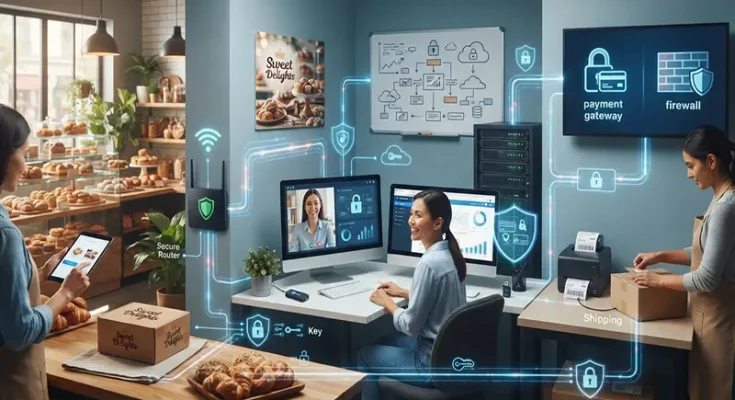
Opening a digital storefront and expanding your traditional business to reach global customers is an exhilarating milestone. However, it comes with a sobering reality: cybercriminals actively scan the web looking for vulnerable, non-technical small businesses that lack enterprise-grade security defenses.

Many traditional retailers and service providers migrating online deeply underestimate their digital attack surface, mistakenly assuming hackers only target massive financial institutions or global corporations. In reality, automated botnets attack small e-commerce sites around the clock. By implementing foundational cybersecurity protocols, secure payment gateways, and everyday employee hygiene practices, non-tech businesses can safely scale their online operations and protect hard-earned customer trust.

Understanding the E-Commerce Threat Landscape

Before securing your digital storefront, it helps to understand the specific ways malicious actors target online businesses. Familiarizing yourself with these common threats is the first step toward defense:

  • Payment Interception and Skimming: Hackers routinely inject malicious JavaScript scripts into vulnerable checkout pages
… Essential Cybersecurity Measures for Non-Tech Businesses Entering E-Commerce Read More
Role of Information Technology in Improving Supply Chain Management Efficiency

Role of Information Technology in Improving Supply Chain Management Efficiency

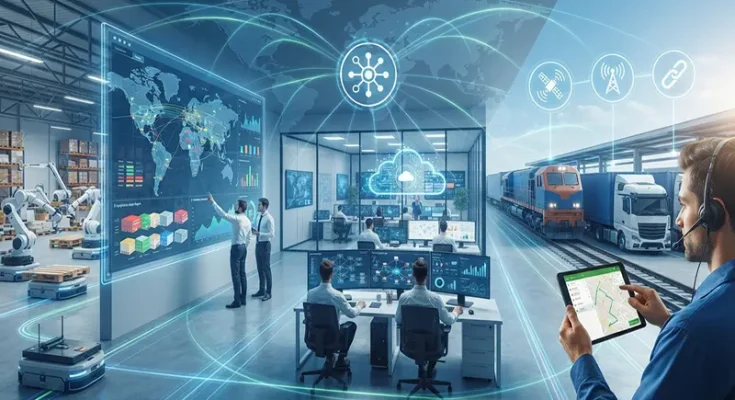
For decades, traditional supply chains operated in frustrating isolation. They relied on fragmented spreadsheets, endless phone calls, and delayed paperwork that left managers flying blind until shipments arrived—or failed to arrive.

Today, global market volatility and sky-high customer expectations for instant fulfillment have completely shifted the paradigm. Organizations can no longer treat logistics as an afterthought; they must treat information technology as the core nervous system of their supply chain. By embedding advanced IT across every node—from raw material procurement to final delivery—enterprises unlock total visibility, eliminate operational friction, and drive profound efficiency gains.

Core Technological Pillars Driving Supply Chain Efficiency

Achieving a high-performance logistics network requires a tightly integrated suite of digital tools that replace analog bottlenecks with real-time data flows:

  • Cloud-Based ERP and Control Towers: Modern supply chains rely on cloud-based Enterprise Resource Planning (ERP) systems and centralized control towers. These platforms aggregate disparate data streams into a
… Role of Information Technology in Improving Supply Chain Management Efficiency Read More
Best Cloud Computing Solutions for Remote Small Business Operations

Best Cloud Computing Solutions for Remote Small Business Operations

For decades, the traditional office setup chained businesses to physical local servers, rigid file shares, and heavy desktop hardware. Today, distributed teams operate in an entirely different reality. Cloud computing has evolved from a convenient alternative into the absolute digital backbone for remote small businesses.

Choosing the right cloud ecosystem allows lean organizations to operate with enterprise-grade security, seamless real-time collaboration, and unmatched flexibility—all without requiring an expensive, on-premise IT department.

Essential Pillars of Remote Cloud Infrastructure

Building a resilient remote operation requires a combination of tools that replace physical office infrastructure with fluid, internet-native services:

  • Unified Collaboration and Productivity Suites: All-in-one ecosystems like Microsoft 365 and Google Workspace form the core of daily operations. They provide real-time document editing, secure corporate email, video conferencing, and instant messaging that keep distributed teams aligned.
  • Cloud Storage and File Management: Moving beyond messy local drives means deploying scalable repositories like Dropbox Business
… Best Cloud Computing Solutions for Remote Small Business Operations Read More
How to Integrate Artificial Intelligence in Small Business Marketing Workflows

How to Integrate Artificial Intelligence in Small Business Marketing Workflows

For years, small business marketers have drowned in an endless cycle of execution. Writing weekly newsletters, brainstorming social media captions, tweaking ad bids, and staring at blank spreadsheets often leaves little energy for actual strategy. Lean teams are expected to produce enterprise-level output with a fraction of the headcount. Today, that narrative is shifting rapidly thanks to artificial intelligence.

AI in marketing has evolved far beyond writing a quick social media post or drafting an introductory email. It has matured into an end-to-end operational framework that handles research, creation, and distribution. To scale effectively, small marketing teams must transition from manual execution to designing integrated AI workflows that work seamlessly behind the scenes.

Core Pillars: Where AI Transforms Marketing Workflows

Implementing AI successfully means identifying the specific operational areas where it creates the greatest leverage. Rather than treating AI as a novelty, smart marketers embed it into three foundational pillars:…

How to Integrate Artificial Intelligence in Small Business Marketing Workflows Read More
How Can Organisations Measure Financial Sustainability?

How Can Organisations Measure Financial Sustainability?

Financial sustainability means an organisation can keep functioning without running out of money. It’s like a shop that earns enough to pay rent and salaries and still save for the future. For Indian businesses, from small kirana stores to big companies, measuring financial sustainability is key to surviving tough times and growing. Here’s a simple guide to help organisations track their financial health.

How organisations measure financial sustainability

1. Track profit margins regularly

Profit margins show how much money a business keeps after paying all costs. For example, if a Mumbai bakery spends Rs. 80 to make a cake and sells it for Rs. 100, its profit margin is 20%.

  • Gross profit margin: Sales minus production costs.
  • Net profit margin: Sales minus all costs (rent, salaries, taxes).

Tip: Use tools like Tally or Excel to calculate margins monthly. If margins drop, check if material costs rose or …

How Can Organisations Measure Financial Sustainability? Read More