Ethical Challenges of Artificial Intelligence in Corporate Business Decision Making

Ethical Challenges of Artificial Intelligence in Corporate Business Decision Making

For generations, corporate governance was defined by human deliberation—fraught with conscious biases, emotional blind spots, and cognitive fatigue. Today, modern boardrooms are rushing to embrace artificial intelligence, drawn to the promise of lightning-fast, seemingly objective, data-driven decision-making.

Artificial intelligence has rapidly evolved from an operational back-office tool into the highest levels of strategic planning, resource allocation, and talent management. However, while AI promises unprecedented analytical depth, automating corporate decisions introduces profound ethical dilemmas that challenge traditional accountability, transparency, and fiduciary responsibility.

The Core Ethical Fault Lines in Corporate AI

Integrating algorithms into corporate strategy creates unique moral hazards that differ fundamentally from traditional software deployment. Several core fault lines define this new ethical landscape:

  • Algorithmic Bias and Discrimination: AI models learn from historical data. If past corporate data reflects systemic biases, the algorithm internalizes and scales those prejudices—leading to discriminatory outcomes in automated hiring, credit scoring, and customer profiling.
  • The
… Ethical Challenges of Artificial Intelligence in Corporate Business Decision Making Read More
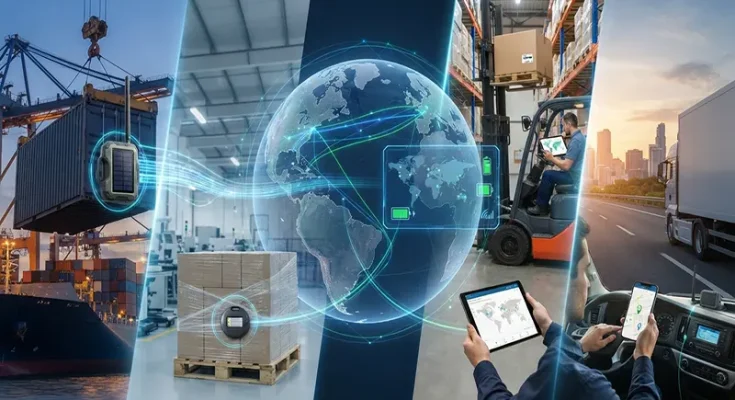
Top Low Power IoT Tracker Objects for Global Asset Supply Chain Monitoring

Top Low Power IoT Tracker Objects for Global Asset Supply Chain Monitoring

For decades, international supply chains operated with a frustrating blind spot. Once a shipping container left the loading dock, it effectively vanished from visibility until it reached its destination port, leaving logistics managers guessing through customs delays, maritime storms, and transit bottlenecks. Today, that era of uncertainty is fading.

The maturation of Low-Power Wide-Area Network (LPWAN) technologies, ultra-efficient microcontrollers, and advanced battery chemistry has revolutionized logistics. Bulky, power-hungry GPS units have been replaced by smart, multi-year tracker objects. Deploying optimized low-power IoT trackers allows enterprises to achieve granular, real-time visibility across global supply chains without exorbitant cellular data or maintenance overheads.

The Connectivity Backbone: LPWAN Protocols in Logistics

Choosing the right hardware is meaningless without understanding the underlying connectivity network. Global supply chains rely on a diverse mix of LPWAN protocols tailored to different transit environments:

  • NB-IoT and LTE-M (Low-Power Cellular): These cellular IoT standards provide global roaming stability, deep
… Top Low Power IoT Tracker Objects for Global Asset Supply Chain Monitoring Read More