For decades, traditional supply chains operated in frustrating isolation. They relied on fragmented spreadsheets, endless phone calls, and delayed paperwork that left managers flying blind until shipments arrived—or failed to arrive.
Today, global market volatility and sky-high customer expectations for instant fulfillment have completely shifted the paradigm. Organizations can no longer treat logistics as an afterthought; they must treat information technology as the core nervous system of their supply chain. By embedding advanced IT across every node—from raw material procurement to final delivery—enterprises unlock total visibility, eliminate operational friction, and drive profound efficiency gains.
Core Technological Pillars Driving Supply Chain Efficiency
Achieving a high-performance logistics network requires a tightly integrated suite of digital tools that replace analog bottlenecks with real-time data flows:
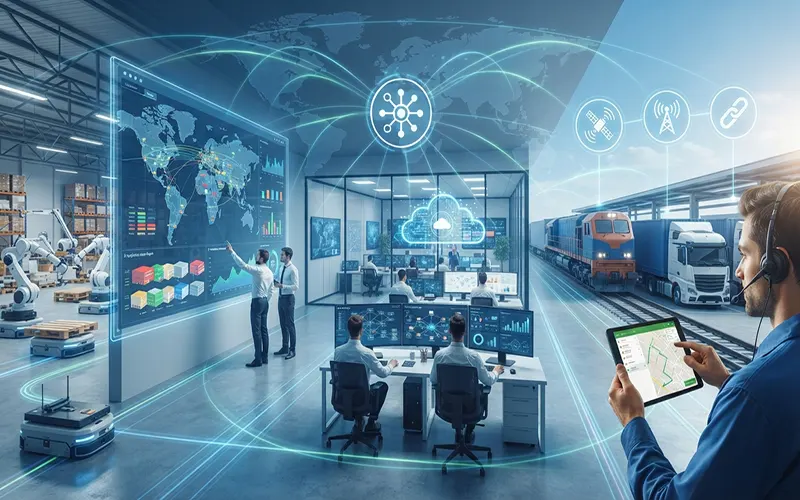
- Cloud-Based ERP and Control Towers: Modern supply chains rely on cloud-based Enterprise Resource Planning (ERP) systems and centralized control towers. These platforms aggregate disparate data streams into a single source of truth, giving managers end-to-end visibility over inventory levels, order statuses, and supplier performance.
- IoT and Real-Time Telemetry: By deploying connected sensors, RFID tags, and GPS trackers across multi-modal transit networks, companies can monitor goods in real time. This technology tracks not just location, but environmental conditions like temperature and shock, ensuring quality control for sensitive cargo.
- Advanced Analytics and Demand Forecasting: Machine learning algorithms ingest historical sales data, weather patterns, and market trends to anticipate shifts in demand. This predictive power allows companies to forecast bottlenecks, optimize buffer stock levels, and prevent costly overproduction.
- Warehouse Management Systems (WMS) and Automation: Internal fulfillment is supercharged by intelligent WMS software integrated with automated picking, packing robots, and optimized slotting algorithms that reduce order cycle times to minutes.
Quantifying the Impact: Operational Resilience and Cost Savings
Investing in supply chain IT is not merely about digitizing paperwork; it delivers profound, measurable impacts on the corporate bottom line:
- Mitigating the Bullwhip Effect: Real-time data transparency prevents distorted demand signals from cascading upward through suppliers and manufacturers, stopping massive inventory swings and erratic production schedules.
- Reducing Lead Times and Holding Costs: By matching supply precisely to real-time consumer demand, companies minimize excess warehouse inventory and slash the holding costs associated with stagnant goods.
- Supplier Collaboration and Risk Management: Interconnected vendor networks allow businesses to pivot instantly during disruptions—such as geopolitical trade shifts or severe weather events—by dynamically rerouting shipments and identifying alternative suppliers in seconds.
Overcoming Integration and Adoption Barriers
Despite clear long-term advantages, modernizing supply chain technology introduces complex technical and operational hurdles that enterprises must actively manage:
- Legacy System Modernization: Many established companies are anchored by outdated on-premise infrastructure. Bridging the gap between legacy systems and modern, API-driven cloud solutions requires careful architectural planning and phased rollouts.
- Data Silos and Interoperability Standards: Different logistics partners, third-party carriers, and international suppliers often use incompatible software formats. Adopting open API standards and universal data protocols is essential to prevent operational gridlock.
- Cybersecurity in Extended Supply Networks: As supply chains become more interconnected, they expand their digital attack surface. Securing shared APIs and vendor access points against modern cyber threats requires zero-trust architectures and rigorous encryption.
Information technology has fundamentally transformed supply chains from reactive, costly operational centers into proactive, agile competitive advantages. By replacing guesswork with real-time intelligence, organizations can weather disruptions with confidence.
Ultimately, the future of global logistics belongs to cognitive, self-healing supply networks—where information technology continuously optimizes every movement from factory floor to front door.