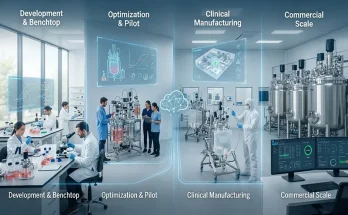

For centuries, the practice of medicine was defined by discovery—finding naturally occurring molecules, medicinal plants, and biological compounds, and modifying them for human healing. Today, we stand in a radical new paradigm: synthetic biology.
Instead of merely modifying existing biology, scientists now write novel genetic code from scratch to construct custom cellular therapeutics, engineered immune cells, and synthetic gene circuits. While these tools open unprecedented frontiers in treating cancers, rare genetic disorders, and complex immune conditions, engineering living systems introduces profound ethical, safety, and governance challenges that demand rigorous moral scrutiny.
Core Ethical Dilemmas in Medical SynBio
Synthesizing life and programming cellular behavior creates unique moral hazards that differ fundamentally from traditional pharmaceuticals. Several core dilemmas define this emerging ethical landscape:
- Biosafety and Unintended Ecological Release: Unlike small-molecule drugs that degrade over time, engineered biological constructs are self-replicating. The accidental escape, environmental persistence, or horizontal gene transfer of synthetic vectors introduces unpredictable ecological and biosafety risks.
- Dual-Use Research of Concern (DURC): As commercial DNA synthesis becomes faster and more accessible, it carries a dark side. The same technologies designed to engineer life-saving medical therapeutics can potentially be misused to synthesize dangerous pathogens or toxins.
- Enhancement vs. Therapy and Genomic Equity: As genetic intervention grows more sophisticated, it blurs the line between medical therapy and genetic enhancement. Furthermore, high-cost programmable therapies risk deepening global health disparities, making engineered longevity accessible only to the privileged.
- Moral Status of Engineered Life: Creating complex organoids, synthetic cellular constructs, and human-animal chimeric tissues forces bioethicists and scientists to confront profound philosophical questions regarding the moral status of engineered biological entities.
Governance, Regulation, and Oversight Frameworks
As programmable living therapeutics transition from laboratory benches to human clinical trials, traditional regulatory bodies must evolve to keep pace with living technology:
- Regulating DNA Synthesis Providers: Security begins at the synthesis stage. Commercial gene-synthesis companies must enforce rigorous customer screening and sequence-matching protocols to prevent malicious actors from ordering restricted pathogen sequences.
- Adaptive Regulatory Pathways: Regulatory agencies like the FDA and EMA must move beyond traditional static drug and medical device frameworks. They require dynamic, adaptive protocols capable of evaluating living medicines that evolve, adapt, and interact within the human body.
- Public Engagement and Transparency: Bioethical policymaking cannot happen inside closed scientific silos. Integrating diverse societal, cultural, and patient perspectives is essential to maintaining public trust and ensuring ethical alignment.
Establishing Responsible Innovation Protocols
Navigating synthetic biology responsibly requires proactive, engineering-level safeguards that prioritize safety alongside innovation:
- Safe-by-Design Engineering: Researchers must bake biological containment mechanisms directly into synthetic constructs—such as synthetic auxotrophy (requiring artificial nutrients to survive) and failsafe kill switches that neutralize cells if they escape targeted environments.
- Global Biosecurity Standards: International harmonization of biosecurity laws is vital. Standardized global oversight prevents “policy shopping,” where researchers bypass strict safety protocols by relocating to jurisdictions with lax regulatory enforcement.
- Ethical Training for Researchers: Cultivating a deep culture of moral responsibility among bioengineers, data scientists, and commercial developers ensures that long-term societal safety is considered at every stage of the design process.
True scientific leadership in synthetic biology requires balancing the relentless pursuit of medical cures with deep moral foresight and precaution. Technological capability must never outpace ethical wisdom.
Ultimately, robust bioethical governance is not an obstacle to innovation; it is the ultimate foundation required to protect public safety and preserve trust in the biotechnology revolution.