
Role of Information Technology in Improving Supply Chain Management Efficiency
For decades, traditional supply chains operated in frustrating isolation. They relied on fragmented spreadsheets, endless phone calls, and delayed paperwork that left managers flying blind until shipments arrived—or failed to arrive.
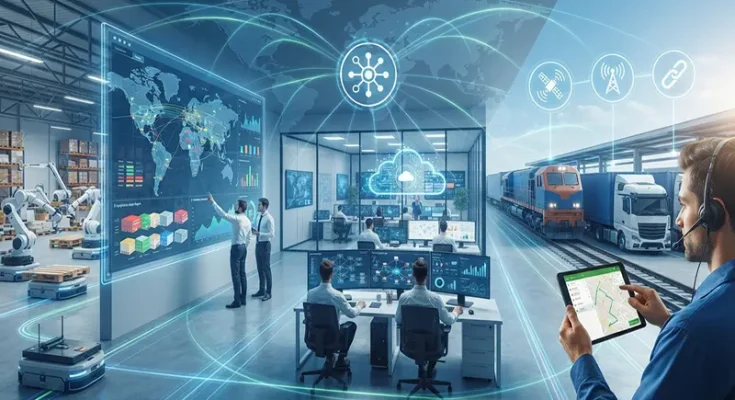
Today, global market volatility and sky-high customer expectations for instant fulfillment have completely shifted the paradigm. Organizations can no longer treat logistics as an afterthought; they must treat information technology as the core nervous system of their supply chain. By embedding advanced IT across every node—from raw material procurement to final delivery—enterprises unlock total visibility, eliminate operational friction, and drive profound efficiency gains.
Core Technological Pillars Driving Supply Chain Efficiency
Achieving a high-performance logistics network requires a tightly integrated suite of digital tools that replace analog bottlenecks with real-time data flows:
- Cloud-Based ERP and Control Towers: Modern supply chains rely on cloud-based Enterprise Resource Planning (ERP) systems and centralized control towers. These platforms aggregate disparate data streams into a