

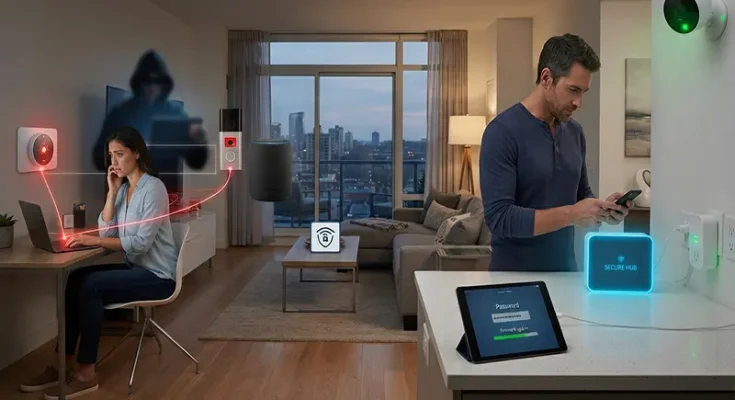
Security Risks of Smart Home IoT Devices and How to Fix Them
Imagine waking up to your favorite song playing softly, coffee brewing automatically, and the thermostat adjusting to your ideal temperature before your feet even touch the floor. The modern smart home promises unprecedented convenience, transforming sci-fi dreams into everyday reality. Yet, every connected gadget—from smart bulbs to Wi-Fi-enabled refrigerators—presents an invisible digital footprint.
As billions of connected devices flood the consumer market, our living spaces have become prime targets for automated botnets, malware, and privacy breaches. While convenience drives adoption, security has historically been an afterthought for both manufacturers and consumers—leaving homes vulnerable unless users understand the risks and take proactive steps to secure their networks.
The Hidden Attack Surface: Top Smart Home IoT Risks
Smart devices are fundamentally different from traditional computers. They often lack keyboards or screens, making them difficult to monitor, patch, or audit. Several core vulnerabilities define the modern IoT threat landscape:
- Default and Weak Credentials: